How Sustainable Logistics Improve Supply Efficiency

Sustainability

Sustainability is becoming an important part of modern logistics as businesses look for ways to reduce environmental impact while maintaining efficient operations. From transportation and fuel consumption to warehousing and packaging, small improvements across the supply chain can create meaningful long-term benefits without compromising reliability or delivery performance.
Transportation is one of the major sources of environmental impact within logistics. Unnecessary distance, inefficient routes, and partially loaded vehicles can increase fuel consumption while adding avoidable operating costs.
Solution: Review transportation routes based on distance, shipment volume, delivery schedules, and available capacity. Better route planning can reduce unnecessary travel and improve the efficiency of each shipment.
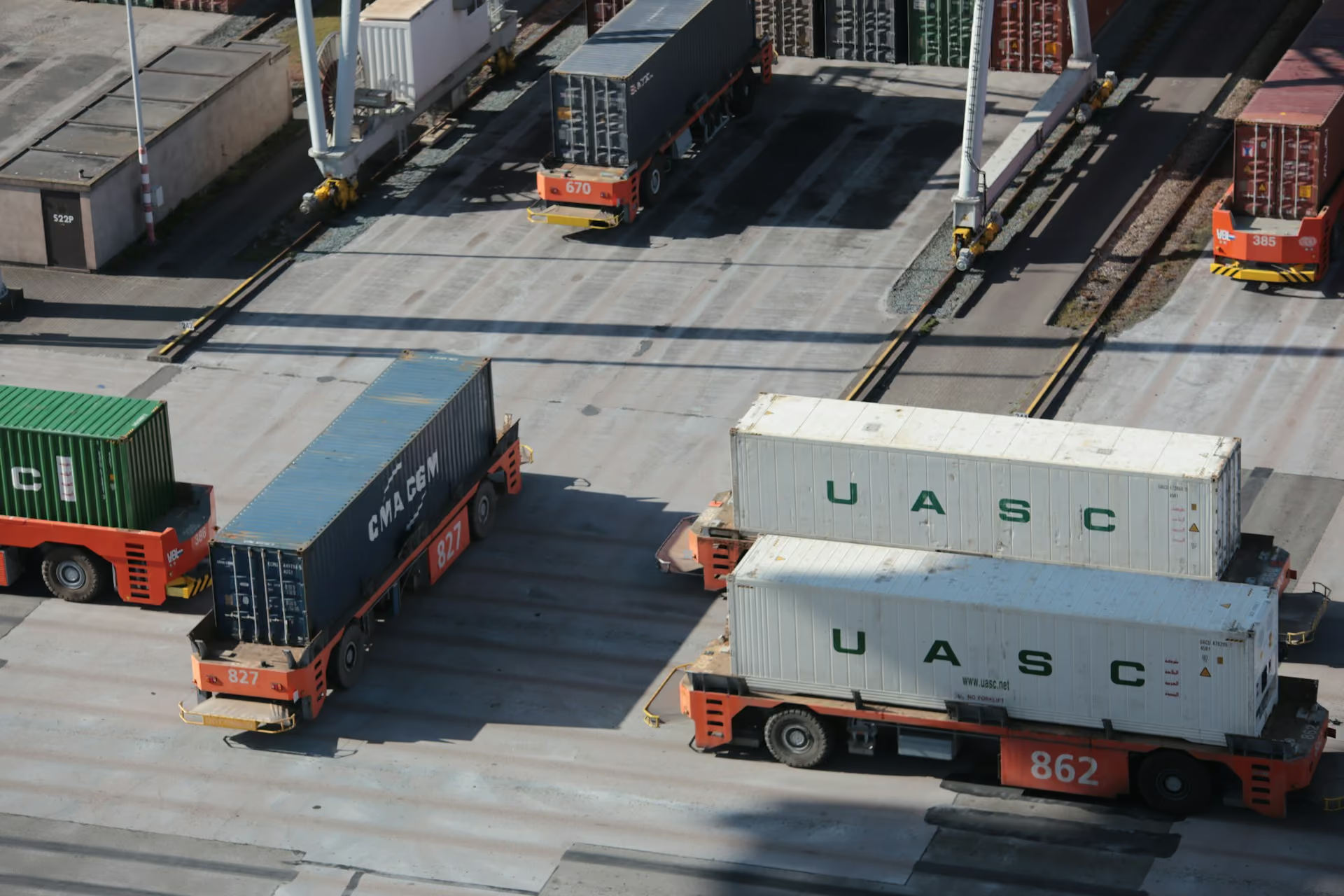
Moving partially loaded vehicles or containers can require more trips to transport the same overall volume of goods. Making better use of available capacity can improve both operational and environmental efficiency.
Solution: Consolidate compatible shipments where timing, destination, and cargo requirements allow. Better load planning can help reduce the number of trips while making more effective use of transportation capacity.
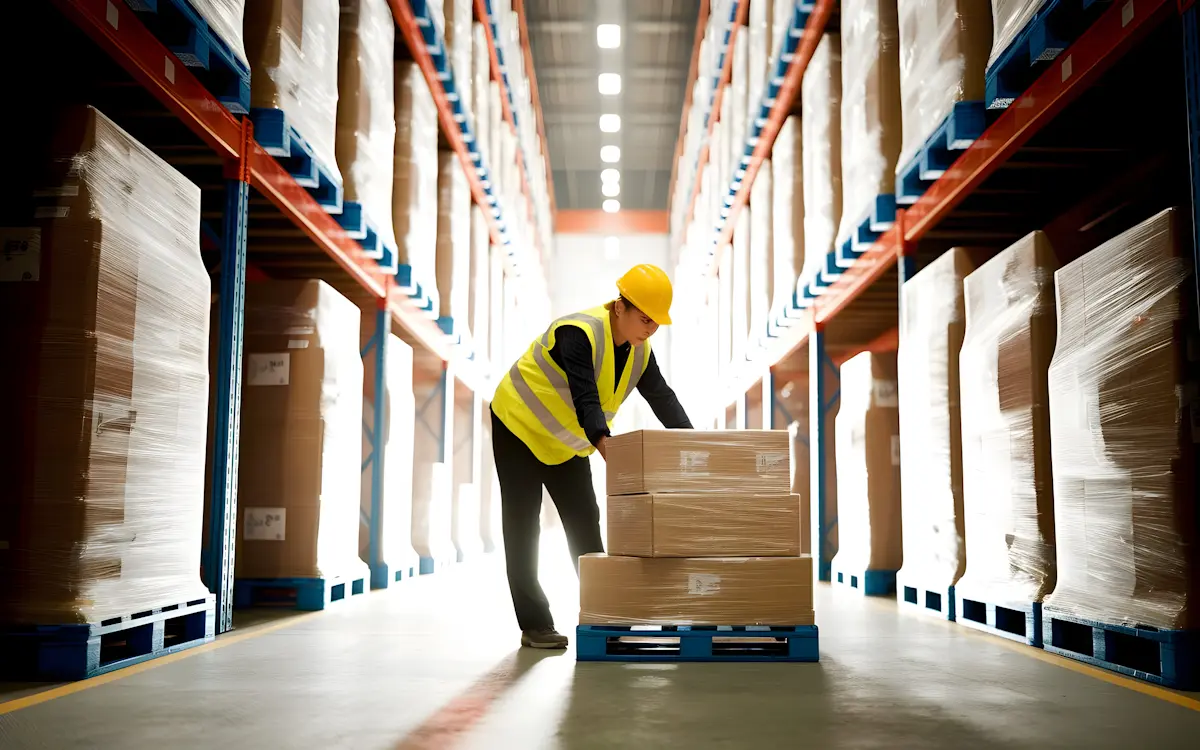
Warehouses can consume significant amounts of energy through lighting, climate control, equipment, and daily operations. Improving energy efficiency can reduce environmental impact while helping control operating costs.
Solution: Review warehouse energy usage and identify opportunities to improve lighting, equipment efficiency, and facility management. Practical improvements can reduce energy consumption without affecting warehouse productivity.
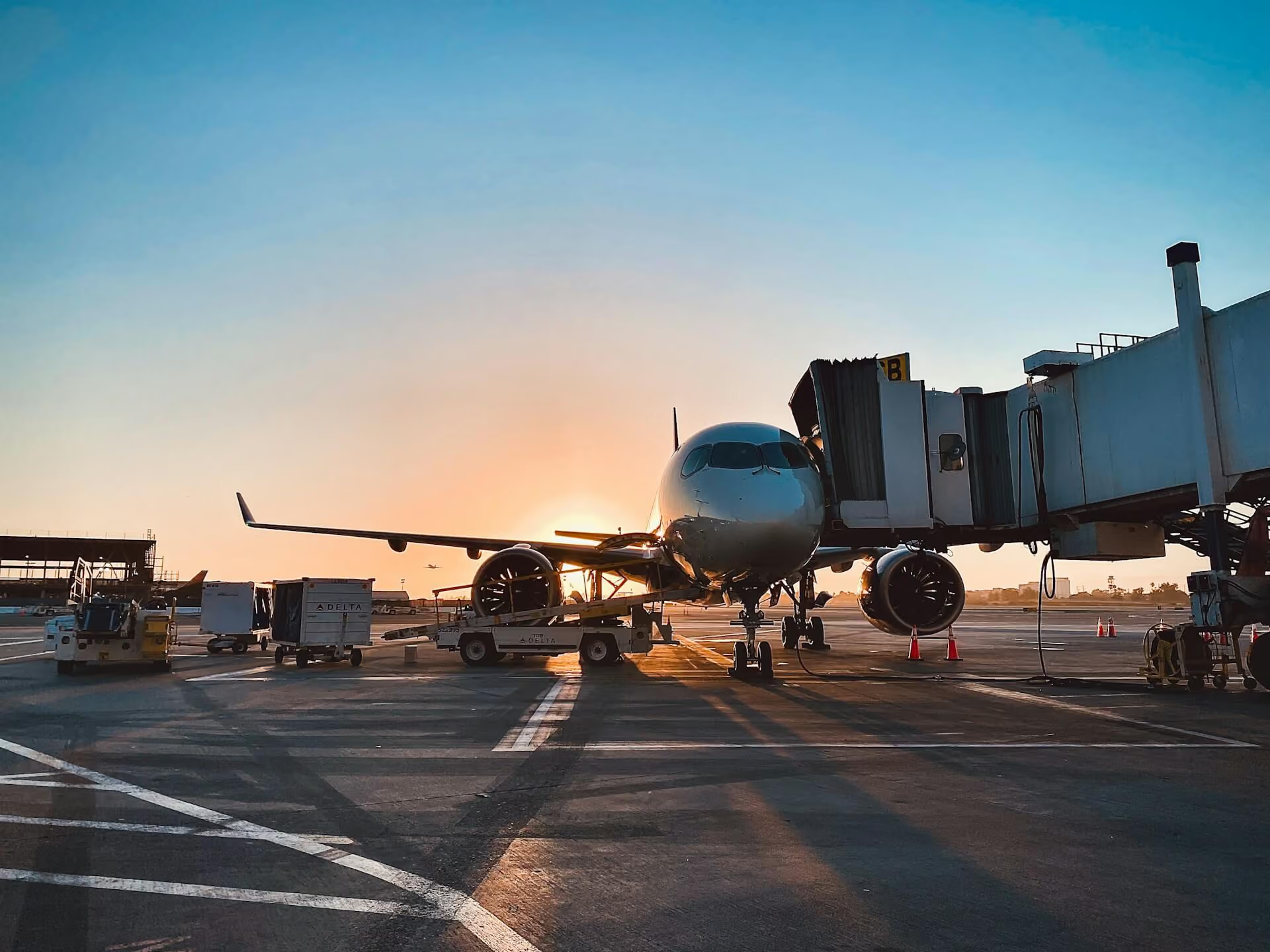
Different transportation modes have different environmental impacts, costs, and delivery characteristics. Selecting the right mode for each shipment can help businesses balance service requirements with sustainability goals.
Solution: Evaluate air, ocean, rail, and land transportation based on shipment urgency, distance, volume, and environmental considerations. Where timelines allow, more efficient transportation options can help reduce the overall impact of moving goods.
Packaging plays an important role in protecting goods, but excessive or unnecessary materials can create additional waste throughout the supply chain.
Solution: Review packaging sizes, materials, and processes to identify opportunities to reduce unnecessary use. Efficient packaging can lower material consumption while maintaining appropriate protection during transportation and handling.
Sustainable logistics requires more than individual improvements. Businesses need visibility into transportation activity, energy use, shipment volumes, and operational performance to understand where the greatest opportunities exist.
Solution: Use logistics data to monitor resource consumption and identify areas for improvement. Better information allows businesses to set practical sustainability targets and measure progress over time.
“Sustainable logistics is not about moving less—it is about using resources more efficiently while keeping goods moving reliably.”
Building a more sustainable logistics operation starts with practical improvements across transportation, warehousing, capacity planning, and material use. By optimizing routes, improving load utilization, reducing energy and packaging waste, and using data to guide decisions, businesses can reduce their environmental impact while maintaining efficient supply chain performance. Sustainability and logistics efficiency can work together to create stronger operations for the long term.